Showing posts with label Vitiligo. Show all posts

Tuesday, May 5, 2026

Melanocyte Transplantation — When Surgery Becomes an Option for Vitiligo

 For most people with vitiligo, the treatment journey begins with topical creams and phototherapy. But for some — especially those with stable vitiligo that has resisted conventional treatment — surgery offers a powerful alternative. Advances in melanocyte transplantation techniques have made surgical repigmentation more precise, more successful, and more accessible than ever before.


What Is Melanocyte Transplantation?

Melanocytes are the specialized skin cells responsible for producing melanin, the pigment that gives skin its color. In vitiligo, these cells are attacked and destroyed by the immune system. Melanocyte transplantation involves harvesting healthy melanocytes from an unaffected area of the patient's own skin (called a donor site) and transplanting them into the depigmented patches.

Because the cells come from the patient's own body, there is no risk of rejection.

The Main Surgical Approaches

1. Non-Cultured Epidermal Cell Suspension (NCECS)

This is currently the most widely used and most praised surgical technique. A small patch of normal skin is harvested (usually from the thigh or buttock), the melanocytes and keratinocytes are extracted using a simple enzymatic process, and the resulting cell suspension is applied to the prepared (dermabrazed or laser-treated) vitiligo patches.

A 2025 chapter in a major dermatology textbook described NCECS as having "revolutionized the surgical management of vitiligo" — results in terms of color matching and repigmentation percentage are significantly better than earlier grafting techniques, with a relatively simple procedure that can be completed in a clinic setting.

2. Split-Thickness Skin Grafting (STSG)

In this traditional approach, a thin layer of skin is taken from a donor site and grafted directly onto the vitiligo patches. It is effective but leaves a scar at the donor site and requires more precise technique for color matching. It tends to work better for smaller, stable patches.

3. Hair Follicle-Derived Melanocyte Transplantation

A newer approach explores harvesting melanocytes from hair follicles — the stem cell reservoir from which melanocytes naturally re-emerge after phototherapy. A 2026 study in PMC showed promising results, particularly for patients with limited donor skin availability. This technique may become increasingly important as the field matures.

Who Is a Candidate?

Not everyone with vitiligo is a surgical candidate. The key criteria are:

Stable vitiligo: No new patches or spreading for at least 1–2 years (depending on the surgical protocol)

No active Koebner phenomenon: The tendency for vitiligo to spread to traumatized skin must not be active, as surgery involves skin trauma

Motivation and realistic expectations: Surgery provides repigmentation, but color may not match perfectly, and maintenance treatment (NB-UVB) is usually needed afterward to stimulate and integrate the transplanted cells

Areas with the best surgical outcomes include the face, neck, and trunk. Acral sites (hands, feet) and areas over joints historically show lower success rates, though newer techniques continue to improve results in these challenging locations.

Recovery and Results

Recovery from NCECS is generally straightforward. The donor site heals within 1–2 weeks with proper dressing. The treated vitiligo areas are typically bandaged for a week before reassessment. Initial repigmentation begins to appear within 4–6 weeks as melanocytes establish themselves, with full color development taking 3–6 months. Subsequent phototherapy sessions help stimulate even color spread.

Success rates vary by technique and body site, but well-selected patients achieving >75% repigmentation of treated areas are commonly reported in published case series.

Vitiligo Beyond the Skin: The Hidden Psychological Burden and the Path to Confidence

 If you have vitiligo, you've probably experienced it: the stare that lingers a beat too long, the well-meaning relative who asks "have you tried turmeric?", the job interview where you couldn't stop thinking about your hands. The skin condition itself is non-contagious and non-life-threatening — but its psychological weight can be profound.

In parts of South Asia and sub-Saharan Africa, vitiligo is sometimes mistakenly associated with leprosy or poor hygiene, leading to profound social exclusion. Marriage prospects, employment, and even basic social belonging can be affected. In these contexts, the psychological burden of vitiligo far exceeds its clinical severity.

In East Asian cultures, including China, there is often strong social pressure to maintain an unmarked, uniform skin appearance. Patients — particularly women and young people — frequently report feeling shame and the impulse to conceal. A study from China found that patients with facial vitiligo reported significantly higher rates of depression and social withdrawal compared to those with vitiligo on covered body areas.

In Western Europe and North America, while stigma exists, growing visibility — through social media campaigns and advocates like model Winnie Harlow — has gradually shifted public perception. Yet even here, studies show that vitiligo patients score measurably lower on quality-of-life scales than patients with many other chronic skin conditions.

The psychological consequences of vitiligo are well-documented:

Depression and anxiety: Multiple studies find rates 2–3 times higher in vitiligo patients than in the general population.

Social avoidance: Many patients avoid swimming, sleeveless clothing, or intimate relationships due to fear of exposure.

Lower self-esteem: Particularly pronounced in women and adolescents, and in cultures where skin uniformity is highly valued.

Critically, the review noted that the degree of psychological distress does not always correlate with the extent of skin involvement. A small patch on the face can cause far greater distress than widespread patches on the body. What matters most is where the patches are and how the patient's community responds to them.

What Helps

The evidence points clearly to multidisciplinary care as the gold standard:

Dermatological treatment that gives patients a sense of agency and progress

Psychological support — including cognitive-behavioral therapy (CBT), which is shown to reduce shame and avoidance behaviors

Peer support groups — online communities (such as the Vitiligo Society forums or social media groups) can dramatically reduce isolation

Patient education — simply understanding that vitiligo is an autoimmune condition and not contagious reduces shame for many patients

The 2026 review specifically called for culturally tailored interventions — generic mental health advice doesn't land the same way in a village in rural India as it does in a clinic in Berlin. What helps most is contextually relevant support that addresses the specific social fears a patient faces.

Finding Your People

Whether online or in person, connecting with others who understand lived experience of vitiligo is consistently cited by patients as one of the most powerful factors in rebuilding self-confidence. You are not alone — and hearing that from someone who truly gets it changes things.

💬 If you'd like to talk through your experience and learn about treatment options, you're welcome to reach out via WhatsApp: +8619190711068. The team at Beijing Guodan Hospital – Vitiligo Treatment Center includes professionals who understand both the clinical and emotional dimensions of living with vitiligo.

Monday, May 4, 2026

Eating With Vitiligo — What Science (and Common Sense) Actually Says

The Oxidative Stress Connection

One well-established feature of vitiligo is elevated oxidative stress in affected skin. The build-up of hydrogen peroxide in melanocytes is thought to contribute to their destruction, and markers of systemic oxidative stress are elevated in vitiligo patients compared to healthy controls.

This provides a biological rationale for dietary choices that support the body's antioxidant defense systems — even if diet alone cannot drive repigmentation.


Foods to Prioritize

1. Antioxidant-Rich Produce

Fruits and vegetables high in vitamins C and E, beta-carotene, and polyphenols help neutralize reactive oxygen species:

  • Berries (blueberries, strawberries, blackcurrants)
  • Leafy greens (spinach, kale, bok choy)
  • Orange and yellow vegetables (carrots, sweet potato, bell peppers)
  • Green tea (rich in EGCG, a potent antioxidant)

2. Copper-Rich Foods

Copper is a co-factor for tyrosinase, the key enzyme in melanin synthesis. Some vitiligo patients have been found to have lower serum copper levels. Include:

  • Sesame seeds and tahini
  • Cashews and sunflower seeds
  • Liver (in moderation)
  • Lentils and chickpeas

3. Vitamin B12 and Folate

Deficiencies in B12 and folic acid are more common in vitiligo patients and may contribute to oxidative damage to melanocytes. Ensure adequate intake through:

  • Eggs, dairy, and lean meat (B12)
  • Leafy greens and legumes (folate)
  • Supplementation if blood tests reveal deficiency

4. Omega-3 Fatty Acids

These anti-inflammatory fats help modulate immune activity — relevant for an autoimmune condition:

  • Fatty fish (salmon, sardines, mackerel)
  • Walnuts and flaxseeds
  • Algae-based omega-3 supplements (for vegetarians)

What About "Trigger Foods"?

Online communities are full of claims about foods that "worsen" vitiligo — particularly dairy, gluten, and acidic foods. The current scientific evidence does not support universal avoidance of these foods for vitiligo patients. However:

  • Patients with concurrent autoimmune conditions (thyroid disease, celiac disease) should follow their specific dietary guidance
  • Paying attention to personal food reactions and discussing them with a physician is always reasonable
  • Strict elimination diets without medical supervision can lead to nutritional deficiencies

The Gut-Skin Connection

Growing research on the gut microbiome suggests that intestinal health influences systemic immune regulation. Vitiligo patients show altered microbiome profiles compared to healthy controls in some studies. Supporting gut health through:

  • High-fiber, plant-diverse diets
  • Probiotic-containing foods (yogurt, kefir, miso, kimchi)
  • Minimizing ultra-processed food consumption

...may have indirect benefits for immune balance, though more clinical evidence is needed before specific recommendations can be made.

A Realistic Perspective

Diet is one supportive pillar among many — it works best alongside medical treatment, sun protection, stress management, and regular specialist follow-up. Think of a vitiligo-supportive diet not as a cure, but as nourishment that gives your body the best possible environment for healing.

For personalized nutrition and treatment guidance, the team at Beijing Guodan Hospital – Vitiligo Treatment Center offers comprehensive consultations. 📱 WhatsApp: +86 191 9071 1068

Saturday, May 2, 2026

Living with Vitiligo — A Sun Protection Guide You Actually Need

Summary For people with vitiligo, unprotected sun exposure carries unique risks: depigmented patches lack the melanin that shields skin from UV damage, making sunburn and long-term skin damage more likely. Yet managed carefully, sunlight can also support phototherapy-based repigmentation. This guide helps you find the right balance.

Why Sun Protection Is Non-Negotiable

Vitiligo patches contain little to no melanin — the skin's natural UV filter. This means:

  • Depigmented areas burn up to 4x faster than normally pigmented skin
  • Repeated sunburn in affected areas can trigger Koebner phenomenon, causing vitiligo to spread
  • Long-term UV exposure increases the risk of skin damage and premature aging in affected patches


Choosing the Right Sunscreen

For vitiligo skin, dermatologists recommend:

  • SPF 50+ broad-spectrum sunscreen (protects against both UVA and UVB)
  • Mineral-based formulas (zinc oxide or titanium dioxide) for sensitive skin and better broad-spectrum protection
  • Water-resistant formulas for outdoor activities and sweating
  • Reapplication every 90 minutes during outdoor exposure

Apply sunscreen generously to all exposed skin, including normally pigmented areas — full-body protection prevents contrasts from worsening.


Protective Clothing: Your Best Defense

Sunscreen alone isn't enough for extended outdoor exposure. Consider:

  • UPF 50+ clothing (long sleeves, hats with wide brims)
  • UV-blocking sunglasses to protect periorbital areas
  • Seeking shade during peak UV hours (10 AM – 4 PM)

Vitamin D Supplementation

A common concern: heavy sun avoidance can lead to vitamin D deficiency. Since vitiligo patients must limit unprotected sun exposure, supplementation is often necessary. Talk to your doctor about checking your vitamin D levels and supplementing with 1,000–2,000 IU/day if needed.

When Sun CAN Help: Supervised Phototherapy vs. Natural Sunlight

Some dermatologists recommend carefully supervised natural sunlight exposure as a low-cost phototherapy option in regions where NB-UVB devices are inaccessible. If your doctor approves this approach, gradual, timed exposure (starting with 5–10 minutes on affected areas) during non-peak UV hours is the protocol. Never attempt self-directed UV exposure without medical guidance.


JAK Inhibitors — The Breakthrough Changing Vitiligo Treatment Forever

 Summary The approval of ruxolitinib cream (Opzelura) by the FDA in 2022 marked a historic milestone in vitiligo care — the first topical treatment specifically approved for the condition. JAK inhibitors represent a new class of targeted therapy that directly addresses the autoimmune mechanisms driving vitiligo. Here's what patients need to know.


What Are JAK Inhibitors?

JAK (Janus kinase) inhibitors are a class of drugs that block specific signaling pathways in the immune system. In vitiligo, the immune system mistakenly attacks melanocytes through a pathway involving JAK1 and JAK2. By blocking these enzymes, JAK inhibitors can halt the autoimmune destruction and allow repigmentation to occur.

Ruxolitinib Cream: What the Research Shows

In the pivotal TRuE-V clinical trials, ruxolitinib 1.5% cream applied twice daily showed remarkable results:

  • After 24 weeks, ~30% of patients achieved significant facial repigmentation (F-VASI75 response)
  • After 52 weeks, success rates climbed further, with some patients achieving near-complete repigmentation
  • The treatment was well-tolerated with minimal systemic side effects

How to Use Ruxolitinib Cream

The cream is applied to affected areas twice daily. It is currently approved for:

  • Non-segmental vitiligo in patients aged 12 and older
  • Depigmented areas covering up to 10% of body surface area

Patients should not apply it on the eyelids or inside the nose/mouth without medical guidance. Results may begin to appear within 12–24 weeks.

Oral JAK Inhibitors: The Next Frontier

Beyond topical options, oral JAK inhibitors such as baricitinib and tofacitinib are being actively studied for more widespread vitiligo. Early-phase trials show promising results for patients with extensive disease that cannot be adequately managed with topical applications alone.

Accessibility and Cost Considerations

Currently, ruxolitinib cream remains expensive in many markets and may not be covered by all insurance plans. Patient assistance programs through the manufacturer (Incyte) can help eligible patients access the medication. Consulting with a dermatologist about availability in your country is essential.

Key Takeaways

  • Ruxolitinib cream is the first FDA-approved topical treatment specifically for vitiligo
  • It works by blocking the JAK-STAT immune pathway that destroys melanocytes
  • Facial repigmentation rates of ~30% at 24 weeks, improving further at 52 weeks
  • Approved for patients 12+ with non-segmental vitiligo covering ≤10% body surface
  • Oral JAK inhibitors are in clinical trials for more extensive vitiligo

Friday, May 1, 2026

Natural Support for Vitiligo – 3 Simple Daily Herbal Teas

 “Besides regular medication, is there anything I can drink to help my condition?”

Today, based on clinical experience and traditional Chinese medicines wellness principles, I’d like to share 3 simple herbal teas suitable for people with vitiligo. These are easy to prepare, gentle in nature, and can be used as supportive daily care.

1. Black Bean & Black Sesame Tea

Take a small handful of black beans and black sesame seeds. Wash, lightly roast, then brew with hot water.

Both ingredients are rich in protein, vitamin E, and trace elements like copper and zinc. Copper plays an important role in tyrosinase activity, which is directly involved in melanin production.

• Helps support pigmentation

• Nutritious and suitable for daily use

2. Astragalus & Red Date Tea

Use 3–5 slices of astragalus root and 2–3 red dates (pitted and sliced). Brew with boiling water and steep for 10 minutes.

The root of astragalus is a tradtional Chinese medicines helps support immunity, while red dates nourish the blood and improve overall vitality.

• Ideal for those who feel fatigued or have weaker constitution

• Mild, slightly sweet taste

3. Rose Tea

Use 5–6 dried rose buds and brew with ~80°C water.

Rose helps relieve stress and promote emotional balance. Many vitiligo cases are influenced by stress and mood fluctuations, which may affect internal balance and pigmentation.

• Supports relaxation and emotional well-being

• Gentle daily support

Tips for Drinking:

• 1–2 cups per day is enough – avoid excessive intake

• Adjust based on your body condition (e.g., reduce astragalus root if prone to symptoms like sore throat, mouth ulcers, or feeling overheated)

• Add a slice of ginger if you have sensitive digestion or tendency to feel cold in the stomach

• Herbal teas are supportive only and cannot replace medical treatment

If you have questions about vitiligo or treatment options, feel free to message us anytime. We’re here to help!

Why Your Vitiligo Is Spreading — 90% of Patients Are Ignoring These Triggers ⚠️


Many patients worry most about vitiligo spreading across the body after being diagnosed, leading to constant anxiety. Dr. Liuyuntao points out that vitiligo does not necessarily spread extensively. Whether it spreads is closely related to an individual’s physical condition, lifestyle habits, and daily care. The following groups need to pay extra attention:

Ignoring sun protection and skin care
Long-term sun exposure, frequent skin injuries, and friction can continuously damage the skin, making existing white patches enlarge and even causing new ones to appear, increasing the risk of spread.

Irregular routines and high stress
Staying up late for long periods, excessive mental stress, and significant emotional fluctuations can disrupt the body’s internal balance, making the condition more active and increasing the likelihood of vitiligo spreading.

Improper care and interrupted treatment
Relaxing care too early after seeing slight improvement, frequently changing treatment methods, or stopping treatment midway can lead to unstable skin conditions and repeated fluctuations, making it harder to control the disease and increasing the chance of further spread.

Vitiligo Free consultation Whatsapp  : +8618519101830

Wednesday, January 15, 2025

Vitiligo Features, Causes,Classification,Treatment,Precautions


Vitiligo is a common acquired depigmentation disorder characterized by the loss or reduction of melanocyte function in the skin, leading to localized or widespread white patches. Below is an overview of vitiligo:


Key Features of Vitiligo

  1. Appearance:
    • White patches on the skin with well-defined edges and a smooth surface.
    • The affected areas may be more sensitive to sunlight and prone to sunburn.
  2. Distribution:
    • Common on exposed areas like the face, neck, hands, and limbs.
    • Can also occur on mucous membranes (e.g., mouth, nose) or the scalp.
  3. Painless Symptoms:
    • Typically, the patches are not painful or itchy but may affect the patient’s appearance and psychological well-being.

Causes and Mechanisms

The exact cause of vitiligo is not fully understood, but it may involve the following factors:

  1. Autoimmune Factors:
    • The immune system mistakenly attacks melanocytes, leading to pigment loss.
  2. Genetic Predisposition:
    • Individuals with a family history of vitiligo are at higher risk.
  3. Environmental Triggers:
    • Sun exposure, stress, or chemical exposure may trigger or worsen the condition.
  4. Oxidative Stress:
    • Oxidative damage to melanocytes impairs pigment production.
  5. Neurochemical Factors:
    • Localized nerve dysfunction may contribute to melanocyte abnormalities.

Classification of Vitiligo

  1. Localized Type: Patches are confined to a specific area of the body.
  2. Generalized Type: Widely distributed patches, often symmetrically arranged.
  3. Universal Type: Extensive depigmentation affecting most of the body surface.
  4. Segmental Type: Patches follow the distribution of a single nerve segment, often seen in young individuals.

Treatment Options

Vitiligo treatment is individualized and includes the following:

  1. Medication:
    • Topical Treatments: Corticosteroid creams and calcineurin inhibitors (e.g., tacrolimus).
    • Oral Medications: Immune modulators and antioxidants.
  2. Phototherapy:
    • Narrowband UVB (NB-UVB) or excimer laser therapy promotes pigment production.
  3. Surgical Treatments:
    • Melanocyte transplantation for stable cases.
  4. Traditional Medicine:
    • Certain herbal remedies or acupuncture may benefit some patients.
  5. Psychological Support:
    • Counseling or support therapy to address the psychological impact of vitiligo.

Precautions

  1. Avoid Triggers:
    • Limit excessive sun exposure, manage stress, and avoid harmful chemicals.
  2. Balanced Diet:
    • Include foods rich in vitamins C and E and essential minerals.
  3. Healthy Lifestyle:
    • Maintain good sleep habits, reduce stress, and boost immunity.

Thursday, January 9, 2025

Vitiligo Treatment Video In Beijing Guodan Vitiligo Hospital

 Vitiligo patient for Europe


Vitiligo Patient for Nepal


Vitiligo Patient for Philippines


Saturday, November 25, 2023

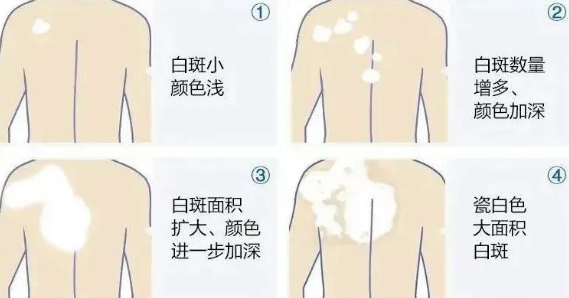
Five Steps of the Recovering of the Vitiligo, which Step are You at?

Vitiligo is a common skin disease that disturbing many people. During the treatment of vitiligo, understanding the progress of recovery and the stage they are at can help patients better understand the course of the disease and the effects of treatment. Here are the five steps of vitiligo recovery, so let’s see where you are at.
I. The First Step: Stable Stage of the Condition.
At the stable stage, the existing white spots no longer spread, and no new white spots develop in other areas under the woods lamp examination. This shows that the treatment is starting to have an important effect to preventing the condition from getting worse. At this time, patients should maintain a positive attitude, strictly follow the doctor's instructions, and continue treatment in the stable stage.
II. Step Two: The Edges of the Patches Become Clearer
As treatment progresses, the edges of the white patches will gradually become clearer from blurry. This means that the patient's skin begins to respond positively to the treatment. At this stage, patients should continue to adhere to the treatment plan, avoid interruptions, and return for regular follow-up visits to share changes in treatment effects with the doctor.
III. The Third Steps: The Edges of the Patches Become Obvious
When the skin around the white patches gradually darkens and forms a clear boundary, it indicates that the recovery has progressed to the third steps. This means that the treatment helps the white patches to be confined to a specific area and the skin around them changes color. At this stage, patients should pay close attention to changes in the boundaries, strengthen skin care, maintain local hygiene, and avoid the use of irritating drugs.
IV. Step 4: Melanin Pigment Islands Appear
The appearance of small black dots in the center of the white patches and gradually increase in size indicates that you have reached the fourth steps of the recovery. These small black dots are new pigment deposits, indicating that treatment has a significant effect on the recovery of white patches. At this stage, patients need to continue to follow the doctor's recommendations for treatment, and at the same time pay attention to changes in the number of black dots, which can be recorded and discussed with the doctor.
V. Step 5: Gradually Complete the Recovering.
When the color of the white patches area becomes lighter or appears reddish, the boundaries gradually become blurred again, and begin to shrink inward in size, it means that you have entered the final steps of vitiligo recovery. At this stage, patients need to continue to adhere to treatment and have regular follow-up visits with their doctors to ensure perfect recovery.
Reviewing the above five stages of recovery, I hope it will be helpful for you to understand where you are in progress. Remember, during the treatment of vitiligo, it is crucial to continue communicating with your doctor and follow the prescribed treatment plan. I wish you a speedy recovery and embrace yourself despite of the condition!
所有心情:
Sonia Sultana Sumi、Victor Claros Arenas和其他32位用户

Monday, September 25, 2023

These Three Black Fruits can Help to Facilitate Vitiligo Patients Replenish of Melanin

Vitiligo is a common skin disease whose main symptom is local depigmentation of the skin and the formation of white spots. To restore the normal color of the skin, patients need to replenish melanin.

How to supplement melanin? Consuming some black fruits might help.
You can learn about these three kinds of black fruits:
1. "BlackBerry"
Rich in antioxidants, it can promote skin regeneration, repair and help improve skin condition.
2. "Black Mulberries"
It is rich in iron, which can promote blood circulation, increase the supply of nutrients to the skin, and help improve the condition of the skin.
3. "Black Grapes"
Rich in melanin and rich in antioxidants, it can promote the regeneration and repair of skin cells and help improve skin condition.
If you have any questions , you can search "Beijing Zhongke Vitiligo Hospital " in Google or Facebook!

Sunday, March 19, 2023

How Much Do You Know About Recessive Vitiligo

The following situations were encountered by the patient when seeing the doctor:

There is only one white spot on my body. I went to the hospital for an examination and found that there were several white spots in the adjacent area. Why can’t I see it with the naked eye?

I have white spots the size of rice grains on my body, which cannot be seen unless I look carefully. Could this be vitiligo? Why is it not obvious?

In the patients who are being treated, the leukoplakia in the treatment area has shrunk, but new leukoplakia appear around it. Is this the spread caused by the poor treatment effect?

These are likely to be caused by "recessive" vitiligo!


1. What is recessive vitiligo?

Recessive leukoplakia is actually the predecessor of visible leukoplakia, leukoplakia invisible to the naked eye, but can be detected under professional equipment.

Vitiligo may become more noticeable over time. There are also patients who suddenly increase the number of white spots during the treatment process. In fact, it may be that the recessive vitiligo is stimulated and exposed.

So when a diagnosis of vitiligo is made, it is important to check other parts of the body for hidden white spots.

2. Does the recessive leukoplakia need to be treated?

The harder it is to find, the more serious the outbreak will be, and recessive vitiligo needs to be treated as soon as possible.

In the face of recessive vitiligo, we should adhere to the three principles of early detection, early diagnosis, and early treatment, and cure the leukoplakia before it becomes visible.

3. How to treat recessive leukoplakia?

For recessive vitiligo, it is recommended that patients take some drugs scientifically and according to the cause under the guidance of a doctor. If necessary, Chinese medicine can be used for auxiliary comprehensive treatment.

Take targeted treatment according to different conditions, and then match it with a reasonable diet to improve your own immunity and maintain a good attitude, so as to make the treatment effect better.

4. Will recessive vitiligo still appear after treatment?

If the melanocytes in the skin lesions are not completely destroyed during the period of recessive leukoplakia, the leukoplakia can be cured before it is exposed; if the melanocytes have been completely destroyed, appropriate treatment measures can be taken in time, With proper treatment, the chances of recovery are relatively high!

5. How to check whether there is recessive vitiligo on the body?

Recessive leukoplakia is the same as visible leukoplakia, except that it cannot be seen with the naked eye, but it can be seen under Wood's lamp.

Friday, March 17, 2023

Be alert to spring cold raids, which can aggravate the condition of vitiligo

In spring, the temperature changes greatly, especially the temperature difference between morning and evening. At this time, colds and flu occur frequently. For patients with vitiligo, more attention should be paid to the occurrence of colds so as not to affect the condition.

Prolonged cold is not good, causing immune disorders

Recurrent and long-lasting colds can cause immune system stress and have a certain impact on the treatment of vitiligo. After the inflammation has ended for a period of time, the "stress response" is still functioning, and excessive action may induce the risk of vitiligo. In addition, adolescents and children are more fragile in physique, and their immunity is low after a long-term severe cold, and their recovery speed is slower. When some children have repeated attacks of tonsillitis, it will also lead to the continuous action of the stress system and affect the condition of vitiligo. After recovering from the cold, parents also need to take their children for professional examination and treatment in time to avoid recurrence of vitiligo.

How to prevent spring cold

A cold will cause the body's immunity to decline, which may lead to aggravation or recurrence of vitiligo, so patients should take preventive measures to avoid the spread and recurrence of vitiligo: 

①Clean the room: it is recommended to disinfect and ventilate regularly to eliminate indoor bacteria and viruses that can cause colds;

② Wash your hands frequently: Hands are the most used external organs and are easily infected with viruses. In addition, try to touch your eyes and nose as little as possible;

③ Improving immunity: It is advisable to add more protein, high-fiber eggs, vegetables, etc., which can resist infection by various viruses, bacteria, mycoplasma and other pathogens; 

④Avoid affecting the immune system and endocrine system, and keep the internal environment of the body stable; 

⑤ Moderate exercise: It can help patients strengthen their physique, improve their resistance, and effectively avoid the infestation of spring colds.

The weather in spring is erratic. Patients should pay attention to their health. When they find a cold or other physical discomfort, they need to seek medical treatment in time and take medicine under the guidance of a doctor to avoid the cold from affecting the recovery of leukoplakia.

Sunday, June 11, 2017

World Vitiligo Day 25,June,2017


June 25th is a day of celebration of vitiligo patients lives and our community.World Vitiligo Day is an initiative aimed to build global awareness about vitiligo, a frequent and often disfiguring disease that can have significant negative psychosocial impact on patients, also because of numerous misconceptions still present in large parts of the world.


Vitiligo is an acquired disease characterized by skin depigmentation, due to destruction or malfunction of melanocytes (cells that produce melanin). It is present worldwide, and its prevalence in different countries ranges from less than 0.1% to more than 8% of general population (~1% in the United States and in Europe); thus, it can be estimated that approximately 100 million people in the world are affected.

“6.25 World Vitiligo Day" Defect the Vitiligo We Are On The Way(The Application for The International Patient)


The Details for This Activity
The activity for the "6.25 world vitiligo day " medical help ,under the propose of Chinese government belt and road forum ,aimed at providing international vitiligo patient helpful policy ,limited in approved 30 patients :
Preferential Policy:
1.Free Specialist Diagnosis
2.Free Airport Transportation During Hospital Treatment
3.Free Interpretation Fee During The Hospital Treatment
4.Expense for medicine with 90% discount ,medical therapy fee with 70% discount
5.10 % reduction in the discharge
6.Free accopanied by the interpreter during the hospital treatment within three places in Beijing (such as :summer palaces ,the forbidden city ,the great wall )

Saturday, May 13, 2017

Best Causes of Vitiligo (Loss of Pigment)

Most people who have vitiligo will develop the condition prior to age 40; about half develop it before age 20.
Best Causes of Vitiligo (Loss of Pigment)

Vitiligo develops when cells called melanocytes (meh-lan-o-sites) die. These cells give our skin and hair color.
The pigment that gives your skin its normal colour is melanin, which is made by cells known as melanocytes. The cause of vitiligo is not yet fully known but many think that it is a disease in which the body makes antibodies to its own melanocytes, and in doing so destroys them. After that, the skin cannot make melanin properly, and vitiligo is the result. In support of this idea is the way that people with vitiligo are more likely than others to have diseases, caused in much the same way, of other organs such as the thyroid.
It affects men and women of all races equally, but is most easy to see in people with dark skins. It is not catching.
Scientists do not completely understand why these cells die. One type of vitiligo, non-segmental vitiligo, may be an autoimmune disease. An autoimmune disease develops when the body mistakes a part of itself as foreign. If the body mistakes these cells as foreigners, it will attack and kill these cells.
Studies suggest that the other type of vitiligo, segmental vitiligo, has a different cause. This type seems to develop when something in the body’s nervous system goes awry.

Vitiligo may be an autoimmune disease. These diseases happen when your immune system mistakenly attacks some part of your own body. In vitiligo, the immune system may destroy the melanocytes in the skin. It is also possible that one or more genes may make a person more likely to get the disorder.

Thursday, May 11, 2017

What Are Main Causes of Vitiligo

Vitiligo usually affects the skin, but it can develop anywhere we have pigment. Patches of hair can turn white. Some people lose color inside their mouths. Even an eye can lose some of its color.

1, Industrial pollution caused by: industrial pollution caused by environmental pollution in recent years caused by high incidence of vitiligo one of the reasons. In recent years, it has been found that a large amount of industrial pollution gas destroys the ozone layer in the atmosphere, causing excessive ultraviolet radiation to the surface, which can cause harm to the human body and cause vitiligo.
2, Unhealthy diet too much intake: a lot of food does not meet the health standards contain a lot of chemical additives, such as stains, preservatives, sweeteners and so on. When these substances are too much absorbed by the body, it will prevent the synthesis of melanoma cells, and then lead to the development of vitiligo.
3, Endocrine disorders: endocrine and immune dysfunction, some chemical and heavy metal poison will cause the body's immune function is troubled, leading to endocrine dysfunction, and then produce anti-melanoma cell antibodies, resulting in melanoma cell damage, loss, and then lead to vitiligo Disease.
Vitiligo does not directly constitute a life threat, but vitiligo on life, work, family and other great impact, and data show that vitiligo patients suffering from depression, autism, or inferiority, suicidal tendencies than ordinary people 10 times higher Above. The study also found that vitiligo long dying or delayed healing will make the disease deteriorated rapidly, the body filled with white spots, and even deepened toskin cancer Wait.

Many people blindly fast, the use of hormones containing the crowded, or skin graft; some people listen to partial pressure, the use of the so-called remedies; others long-term use of traditional Chinese medicine, Western medicine. Experts say that these traditional methods of treatment can not achieve a fundamental effect, on the contrary, will only make the more severe the severity of vitiligo.

Contact Us

As for you own illness conditions, you can get some guidance related to diet, exercise, medicines or some natural remedies. The online consultation service is free. Please remember to leave your email address, or phone number so that we can contact you and help you!
Please leave the patient's FULL name in case of a duplicate, and to make our doctor give timely response and help.

Full Name:

Country:

Email:

Skype:

Whatsapp:

Viber:

Phone Number:

Message: